
Anúncios
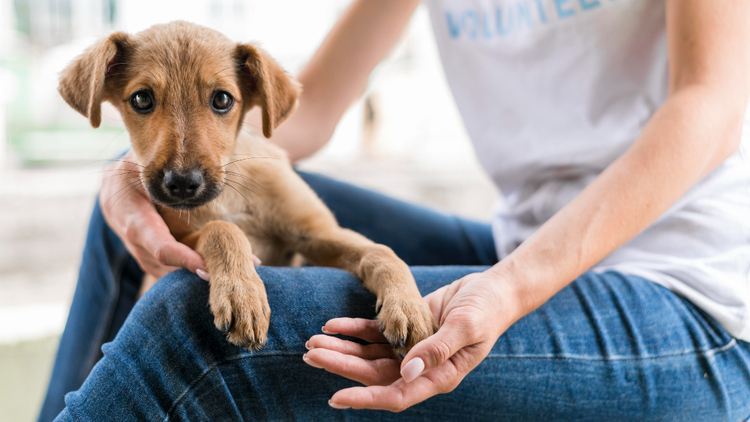
Discover how to turn your apartment into the perfect home for an adopted dog, even in small spaces

Many people put off the dream of having a dog, thinking their apartment is too cramped. The truth is quite different from what that myth suggests.
Dog adoption doesn’t depend on the size of your home, but on the size of your commitment. Millions of dogs are waiting for a home in shelters across the United States.
A well-prepared apartment can be just as welcoming as a house with a yard. The secret lies in routine, the right choice, and a few simple precautions.
In this guide, you’ll learn how to prepare your space, choose the ideal dog, plan the costs, and welcome your new friend safely and lovingly.
Why apartments and dog adoption go together more than you’d think
Physical space is just one of the factors that define a dog’s wellbeing. Routine, attention, and exercise weigh far more in the balance.
Rescued dogs often adapt quickly to smaller environments when given affection and predictability. They value the security of having a real home.
By adopting instead of buying, you give a second chance to an animal that has already faced abandonment. That gesture transforms two lives at once.
In addition, many shelter dogs already arrive vaccinated and neutered. This makes adaptation easier and reduces part of the initial adoption costs.
Before adopting: what to check in your lease and building rules
In the United States, many buildings have their own rules about pets. Checking everything beforehand avoids headaches and the risk of having to return the dog.
Read your lease carefully. Some properties require a pet deposit, a monthly fee, or even weight and breed limits.
Talk to management about noise rules and shared areas. Dogs that bark a lot can cause conflicts in spaces with shared walls.
Confirming these conditions before adopting shows responsibility. This way, you choose a dog compatible with your building and avoid unpleasant surprises.
How to choose the ideal size and profile for your space
Choosing the right dog is the step that most influences apartment living. It goes far beyond the animal’s appearance.
Think about your routine, your free time, and the energy level you can offer. A calm dog fits better with smaller spaces.
Also consider who lives with you, including children and other pets. The ideal profile is the one that fits your real day-to-day life.
Below, see how each size behaves in an apartment and what it requires from you in terms of care.
Small, medium, and large in an apartment
| Size | Apartment advantages | Main care needs |
| Small | Adapts easily to small spaces and calmer routines. | Daily stimulation, fall protection, and veterinary follow-up. |
| Medium | Good balance between energy and adaptability in larger apartments. | Regular exercise, structured routine, and balanced diet. |
| Large | Many are calm indoors and form strong bonds. | Frequent walks, joint care, and resting space. |
Small breeds are the most obvious choice for apartments, but they’re not the only viable option. Several medium-sized dogs adapt very well too.
Even some large, calm dogs, like the Greyhound, live happily in smaller spaces. What matters is energy expenditure, not just size.
Assess the available square footage and your willingness to walk the dog. A large dog needs more daily movement to stay balanced.
Remember that every animal is unique. History and temperament matter more than any fixed rule about size.
Calm breeds with low barking
In buildings with thin walls, a calm temperament makes all the difference. Calm dogs get along better with close neighbors.
Breeds known for adapting well to apartments include the French Bulldog, Cavalier King Charles Spaniel, Bichon Frisé, Pug, and Boston Terrier. They all tend to bark little.
When adopting a mixed-breed dog, observe its behavior during the shelter visit. Staff can point you toward calmer animals.
Prioritize an adaptable temperament and low barking tendency. This profile ensures harmonious living in shared spaces.
Preparing your apartment step by step: safety and comfort checklist
Before the dog arrives, it’s worth turning your apartment into a safe environment. Small adjustments prevent accidents and reduce the animal’s stress.
An organized space helps the dog feel protected from day one. Adaptation begins well before it crosses the door.
Set aside a quiet little corner just for it to rest and settle. This refuge is essential during moments of insecurity.
Check the basic checklist to get everything ready:
- Secure electrical wires and cables out of the dog’s reach.
- Lock windows and balconies to prevent dangerous falls.
- Remove toxic plants and cleaning products from the floor.
- Use gates or barriers to limit access to certain areas.
- Set up a fixed spot with a bed, water, and a toy.
Essential items for arrival day
Having the right items at home avoids last-minute scrambling. This way, you can focus on what matters: welcoming your new friend.
Start with the basics, without going overboard. A lean kit already covers the first few weeks of adaptation comfortably.
Buy products suited to the dog’s size and age. Bed, leash, and bowls need to match the animal’s size.
Set these items aside before arrival:
- Comfortable bed or carrier (crate).
- Food and water bowls that are easy to clean.
- Collar, leash, and ID tag.
- Puppy pads for the first few weeks.
- Durable toys to burn energy indoors.
The step-by-step dog adoption process
The adoption process in the United States is organized and transparent. Knowing each step makes the journey much smoother.
It all starts with researching trustworthy shelters and online platforms. There you get to know the profiles of dogs available for adoption.
Next comes the application, when you fill out a form about your routine and living situation. Some shelters conduct an interview or home visit.
See the adoption process in brief:
- Research trustworthy shelters and platforms.
- Choose a dog compatible with your space and routine.
- Fill out the application with your information.
- Go through the interview or visit, if required.
- Pay the symbolic fee and begin the adjustment period.
How much it costs to adopt and care for a dog in an apartment
Planning your budget prevents surprises and ensures the pet’s wellbeing. Adopting tends to be cheaper than buying, but it still requires organization.
The adoption fee in the United States generally ranges between 50 and 300 dollars. It usually includes vaccines, microchipping, and spaying/neutering.
After adoption, ongoing maintenance costs begin. Food, veterinary care, and accessories become part of the financial routine.
Consider these recurring expenses in your planning:
- Quality dog food: 20 to 60 dollars per month.
- Veterinary care: 200 to 1,000 dollars per year.
- Grooming, accessories, and toys.
- Training, when needed.
Preventive health expenses: vaccines, dewormers, and flea/tick prevention
Prevention is the smartest investment for anyone adopting a dog. It prevents serious illnesses and high costs down the road.
Vaccines protect against serious diseases like rabies, distemper, and parvovirus. The annual booster keeps the dog fully immunized.
Dewormers fight intestinal parasites and are usually given every three or four months. Your vet will set the ideal schedule.
Flea and tick products are essential year-round, especially in an apartment. See the most common cost ranges:
- Annual vaccines: 20 to 60 dollars per dose.
- Deworming: 10 to 30 dollars per application.
- Flea and tick prevention: 15 to 60 dollars per month.
- Preventive checkup: 50 to 100 dollars per visit.
The best premium dog food brands by life stage
The right diet supports your dog’s health and energy. Premium foods offer balanced nutrition for each stage of life.
Choosing the ideal formula depends on the animal’s age, size, and needs. A neutered dog, for example, needs attention paid to weight.
Brands recognized by veterinarians often have specific lines by life stage and condition. Always confirm the recommendation with a trusted professional.
Products and services for pets
Petco
Puppy, adult, and senior
Puppies need more protein and calories to grow healthily. Formulas for this stage support bone development.
Adult dogs need a balanced maintenance diet. The focus shifts to stable energy and appropriate weight in daily life.
Senior dogs benefit from lighter foods that support joints and digestion. Nutrition adapts to the changes that come with age.
For neutered dogs, weight-control formulas exist that prevent excessive weight gain after surgery. They help keep the body healthy.
| Brand | Key recommendation |
| Royal Canin | Lines by size, age, and for neutered dogs. |
| Hill’s Science Diet | Maintenance formulas and weight care. |
| Purina Pro Plan | Life-stage options with high digestibility. |
| Blue Buffalo | Recipes with selected natural ingredients. |
| Wellness | Balanced options for different life stages. |
Pet health insurance: is it worth it?
Pet health insurance is gaining ground among pet owners in the United States. It brings more peace of mind in the face of unexpected events and emergencies.
It works similarly to regular insurance: you pay a monthly premium and get reimbursed for part of the veterinary expenses covered by the plan.
On average, the monthly cost for dogs runs between 30 and 60 dollars. Price varies based on age, breed, and chosen coverage.
Before signing up, read the terms carefully, since many plans don’t cover pre-existing conditions. Companies like ASPCA, Embrace, Trupanion, and Healthy Paws are leading names in the country.
The first days at home: the 3-3-3 rule
The first days are crucial for a rescued dog’s adaptation. The well-known 3-3-3 rule helps explain this process.
In the first 3 days, the dog may feel nervous and insecure. Keep the routine calm and avoid forcing any interaction.
In the first 3 weeks, it starts to open up and learn the routine. This is the ideal time to begin basic training.
In the first 3 months, the bond strengthens and the dog feels at home. Trust fully replaces the initial insecurity.
Exercise and wellbeing routine without a yard
Not having a yard isn’t a problem when there’s an exercise routine in place. Daily movement keeps the dog balanced and happy.
Regular walks meet the need to burn energy and explore the world. They also help with the animal’s bathroom needs.
Indoors, invest in mental enrichment with interactive toys. This kind of stimulation reduces boredom and prevents excessive barking.
Set fixed times for walks, play, and rest. Predictability provides security and improves apartment living.
Where to adopt a dog safely
Finding a trustworthy shelter is the first step toward a smooth adoption. Recognized organizations offer support throughout the whole process.
Seeking out reputable institutions increases the chances of a positive experience. You get guidance and a clear picture of the animal’s history.
In the United States, some organizations are national references in responsible adoption. It’s worth getting to know each one’s work.
Check out three standout names in the country.
ASPCA
The ASPCA is one of the most respected organizations in the United States. It rescues, cares for, and protects animals in vulnerable situations.
Besides promoting dog adoption, it offers educational programs and support to local shelters. Its work goes far beyond rescue.
Its adoption processes are structured and careful. The goal is to place each animal in a home that fits its profile.
By adopting through the ASPCA, you also receive valuable guidance. This increases the chances of a smooth, successful adjustment.
The Humane Society (HSUS)
HSUS operates nationwide with a focus on animal protection. Its influence extends to public policy and more ethical practices.
While it doesn’t always run shelters directly, it supports many local institutions. This expands access to responsible adoption.
Its work includes large-scale rescues and awareness campaigns. All of this continuously improves animal welfare.
Seeking guidance from HSUS helps you make more informed decisions. You’ll find reliable resources for the whole journey.
Best Friends Animal Society
Best Friends is known for its mission to make the United States a no-kill country. It connects people with dogs that need a home.
The organization works directly on dog adoption. The focus is finding loving, permanent homes for every animal.
It also offers post-adoption support for owners. This support helps overcome the challenges of the first few days.
Adopting through this institution means being part of a bigger movement. You actively contribute to saving lives.
Conclusion
Adopting a dog while living in an apartment is entirely possible and deeply rewarding. Space was never the real obstacle.
With planning, a safe environment, and the right choice, your apartment becomes the ideal home. Every detail prepared makes the new friend’s adaptation easier.
More than a gesture of love, adoption is a daily commitment to care. It transforms the dog’s life — and yours too.
Liked the tips? To keep taking good care of your pet without straining your budget, check out our next article on how to prepare to adopt a large dog.
Related Content


